Yasmina: A Modern Font for Creative Expression
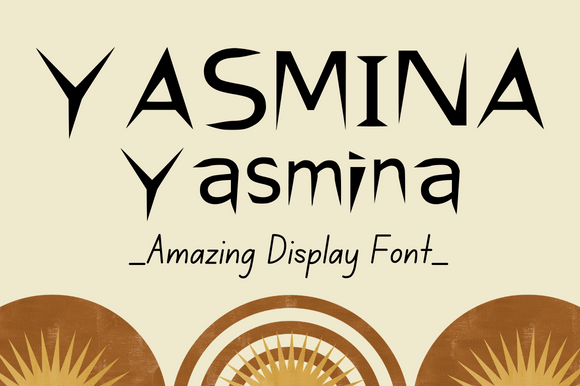
The Yasmina font has become a go-to choice for designers and creators looking to add a touch of elegance and modernity to their work. With its clean lines, balanced proportions, and distinctive character, Yasmina offers a versatile solution that can be adapted to various design projects. Whether you're working on a logo, a book cover, or a digital advertisement, this font provides the visual appeal needed to capture attention and convey a sense of sophistication.
One of the standout features of Yasmina is its ability to blend simplicity with uniqueness. Unlike many other display fonts that may lean too heavily into either boldness or intricacy, Yasmina strikes a perfect balance. This makes it ideal for a wide range of applications, from commercial branding to personal creative endeavors. Its readability in larger sizes also ensures that it remains effective even when used in headlines or titles.
Applications of Yasmina in Design Projects
Designers often turn to Yasmina when they need a font that can elevate the visual impact of their work without compromising clarity. In advertising, for instance, Yasmina can be used to create eye-catching headlines that stand out while maintaining a professional look. Its modern aesthetic aligns well with contemporary marketing trends, making it a popular choice for campaigns targeting a younger, tech-savvy audience.
In product packaging, Yasmina adds a refined touch that can differentiate a brand from its competitors. Whether it's on a label, box, or tag, the font contributes to a cohesive brand identity. For example, a boutique coffee shop might use Yasmina on its packaging to communicate quality and style, reinforcing the overall brand message through typography.
Book covers are another area where Yasmina shines. When designing a cover, the font plays a crucial role in attracting potential readers. Yasmina’s elegant structure allows it to work well in both traditional and modern contexts, making it suitable for a variety of genres. A literary fiction novel could benefit from the font’s subtle sophistication, while a contemporary thriller might leverage its boldness to create a striking visual effect.
Advantages of Using Yasmina
One of the primary advantages of Yasmina is its adaptability. It works well in both digital and print formats, ensuring consistency across different mediums. This versatility is particularly valuable for designers who need to maintain a unified look across multiple platforms. Additionally, the font’s open letterforms and generous spacing make it highly legible, even at smaller sizes, which is essential for body text or captions.
Another benefit of Yasmina is its ability to evoke a sense of modernity and refinement. This makes it an excellent choice for brands that want to project a contemporary image. Whether it's for a tech startup, a fashion label, or a lifestyle brand, Yasmina can help establish a visual identity that feels current and relevant.
Moreover, Yasmina’s availability in different weights and styles gives designers more flexibility. From light to heavy, each variation offers a unique tone that can be tailored to specific design needs. This range allows for greater creativity and ensures that the font can be used in a wide array of projects without feeling repetitive or overused.
Considerations When Using Yasmina
While Yasmina is a powerful tool, it’s important to consider how it fits into the broader design context. The font’s modern aesthetic may not be suitable for all projects, especially those that require a more traditional or vintage feel. In such cases, pairing Yasmina with complementary fonts can help achieve the desired balance.
Additionally, designers should be mindful of the font’s weight and spacing when using it in large blocks of text. Although Yasmina is readable, it is primarily designed as a display font, so it may not be the best choice for extended paragraphs. Instead, it works best in headlines, subheadings, or short phrases where its visual impact can be fully appreciated.
Another consideration is the availability of the font. While Yasmina is widely accessible through design platforms and marketplaces, users should ensure they have the appropriate license for their intended use. This is especially important for commercial projects, where proper licensing helps avoid legal complications.
Real-World Examples of Yasmina in Action
Many successful brands have incorporated Yasmina into their visual identities, showcasing its effectiveness in real-world scenarios. A well-known example is a digital marketing agency that uses the font in its website headers and social media posts. The font’s modern look aligns with the agency’s focus on innovation and forward-thinking strategies, creating a cohesive and professional appearance.
Another example comes from the world of independent publishing. A small press that specializes in poetry and short stories has used Yasmina for its book covers, resulting in a collection that feels both artistic and approachable. The font’s elegant structure complements the content, enhancing the reader’s experience without overshadowing the written word.
Even in everyday consumer products, Yasmina has found a place. A line of eco-friendly household goods, for instance, uses the font on its packaging to communicate sustainability and modern design. The font’s clean lines and balanced proportions reflect the brand’s commitment to simplicity and environmental responsibility.
Conclusion
As the design landscape continues to evolve, fonts like Yasmina play a crucial role in shaping visual communication. Its combination of elegance, versatility, and modern appeal makes it a valuable asset for creators across various industries. Whether used in advertising, branding, or publishing, Yasmina offers a way to express creativity while maintaining professionalism and clarity.